


Surgery
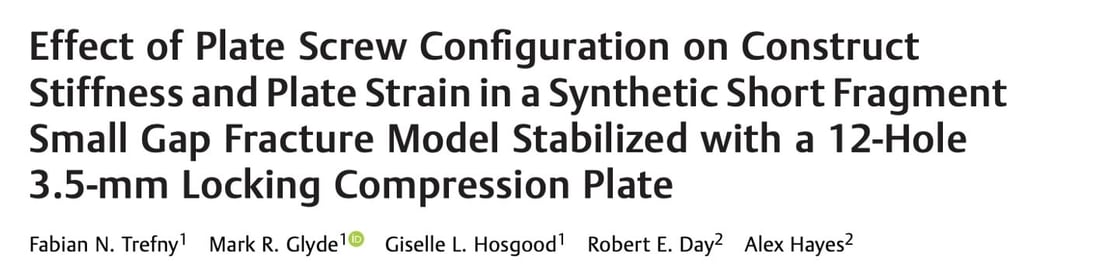
Take-home points:
- This biomechanical study, now in print in VCOT, investigates the implications of plate screw positioning in non-load-sharing fracture models, using both a materials testing machine and novel optical technology to assess stress and strain at different locations along the constructs.
- The outcomes support the benefits of a short plate working length, which means, for us surgeons, we should aim to have screws as close to the fracture line as possible (far-near-near-far principles)
Oncology
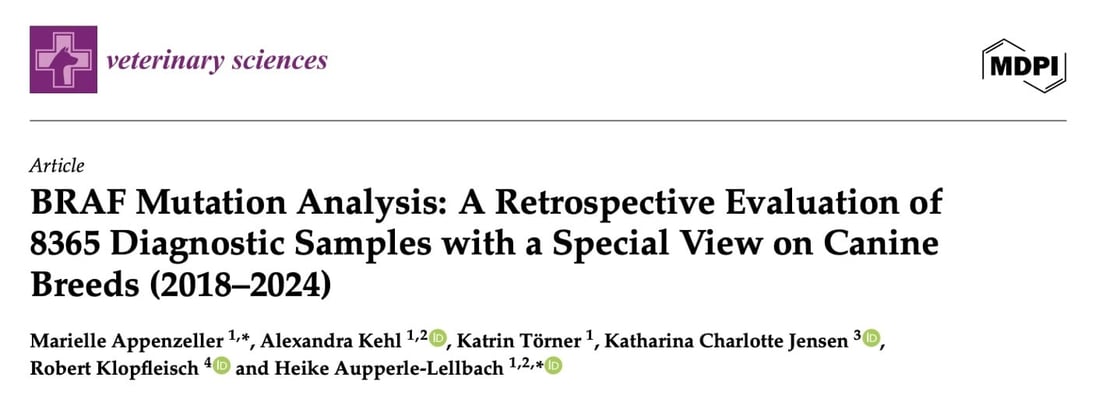
Key point: BRAF mutation is more frequent in some breeds
A study of over 8000 canine urine samples found that the BRAF V595E mutation was significantly more common in breeds such as Scottish Terrier, Shetland Sheepdog, and Beagle compared with mixed-breed dogs.
This means the test’s sensitivity drops in many other breeds, so a negative result in a non-predisposed breed should not lead you to rule out urothelial carcinoma entirely.
Dermatology

Take-home points:
- Rifampicin can be effective for culture-confirmed MRSP, but it should remain a last-line, time-limited option used with clear justification and owner consent.
- Resistance can emerge quickly, so repeat culture is essential when clinical improvement is not seen within the expected timeframe.
- Adverse effects are more likely when rifampicin is combined with ciclosporin or fluconazole, so avoid these pairings where possible and monitor closely if they cannot be separated.
- Pair systemic treatment with robust topical antiseptic therapy and strict infection-control practices to minimise antimicrobial pressure and reduce the risk of transmission.
Internal Medicine
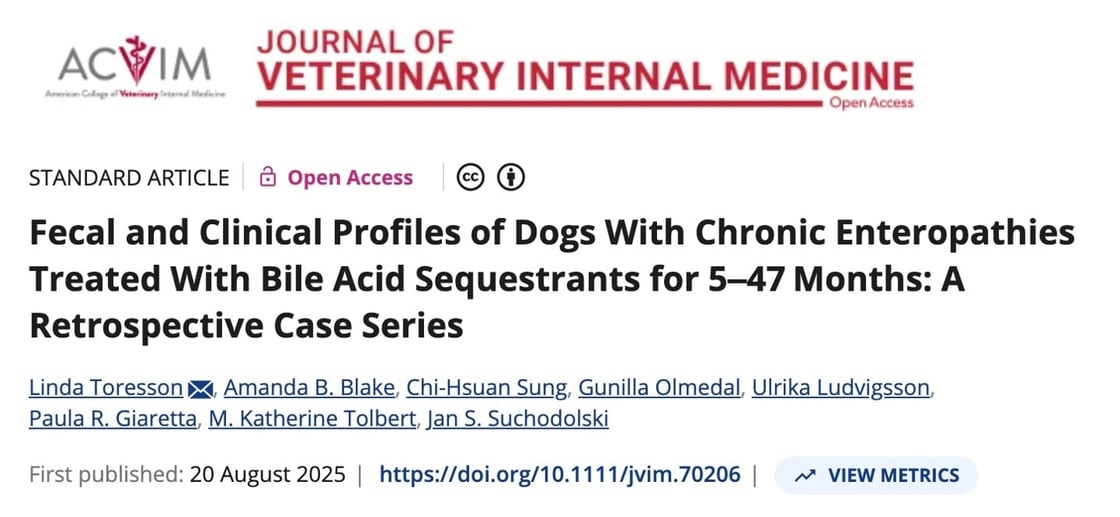
This retrospective case series evaluated 24 dogs with chronic enteropathy (CE) treated with bile acid sequestrants (BAS; cholestyramine, colesevelam, or colestipol) as adjunct therapy for 5–47 months. Sixteen dogs (67%) showed clinical improvement, with significant reductions in CIBDAI scores. Responders had higher faecal proportions of unconjugated primary bile acids and higher dysbiosis indices compared with non-responders and healthy controls, suggesting that bile acid dysmetabolism and microbial imbalance contribute to disease pathogenesis and therapeutic response.
Clinical implications
BAS therapy may be particularly beneficial in dogs with CE that are non-responsive or only partially responsive to dietary modification or immunosuppressive therapy, or in those requiring high corticosteroid doses. BAS should therefore be considered as an adjunctive option in refractory or steroid-dependent cases of CE.
Emergency

Take-home points:
- This retrospective review included 58 dogs that were diagnosed with aspiration pneumonia and were treated with either ampicillin-sulbactam as a monotherapy (MT), ampicillin-sulbactam and enrofloxacin as a dual therapy (iDT) or initially with ampicillin-sulbactam and then escalated to include enrofloxacin (eDT)
- No significant differences were observed in lung lobes affected, survival to discharge, disease severity indices, and total leukocyte counts across the 3 groups.
- The dogs in the eDT group had significantly longer hospital stays.
- In conclusion, this study suggested that ampicillin-sulbactam as a monotherapy is reasonable in canine patients with first-time aspiration pneumonia, supporting the current recommendations from the International Society for Companion Animal Infectious Diseases.
- Additionally, escalation to include a fluoroquinolone antibiotic should only be done if indicated based on culture and sensitivity results, if the dog shows signs of critical illness or deteriorates whilst on the monotherapy.