Individualised radioiodine dosing for feline hyperthyroidism
Radioiodine offers a safe, highly effective, and often curative treatment for feline hyperthyroidism. Our specialist team uses scintigraphy to individualise dosing for each cat – supporting better patient outcomes and reducing the risk of retreatment and post-treatment hypothyroidism.
Hyperthyroidism is the most common hormonal disease seen in older cats. It usually affects cats over seven years of age and occurs when one or both thyroid glands produce too much thyroid hormone.
In most cases, this is caused by a benign growth in the thyroid tissue. Malignant thyroid cancer is uncommon.
Excess thyroid hormone can affect multiple systems in the body and, if left untreated, may lead to ongoing weight loss, heart changes, high blood pressure, and reduced quality of life.
Common signs of hyperthyroidism include:
Weight loss despite a good or increased appetite
Increased thirst and urination
Restlessness or increased activity
Vomiting
Faster breathing or heart rate
An enlarged thyroid gland in the neck
Some cats are diagnosed early during routine blood testing before more obvious signs develop.
While standard radioiodine uses a fixed dose, MediPaws uses scintigraphy-assisted dosing to tailor treatment to the patient – significantly reducing the risk of post-treatment hypothyroidism.
We use nuclear imaging to calculate a tailored dose for each individual cat, aiming to restore normal thyroid function while reducing the risk of over-treatment and hypothyroidism.
Multidisciplinary expertise in nuclear medicine
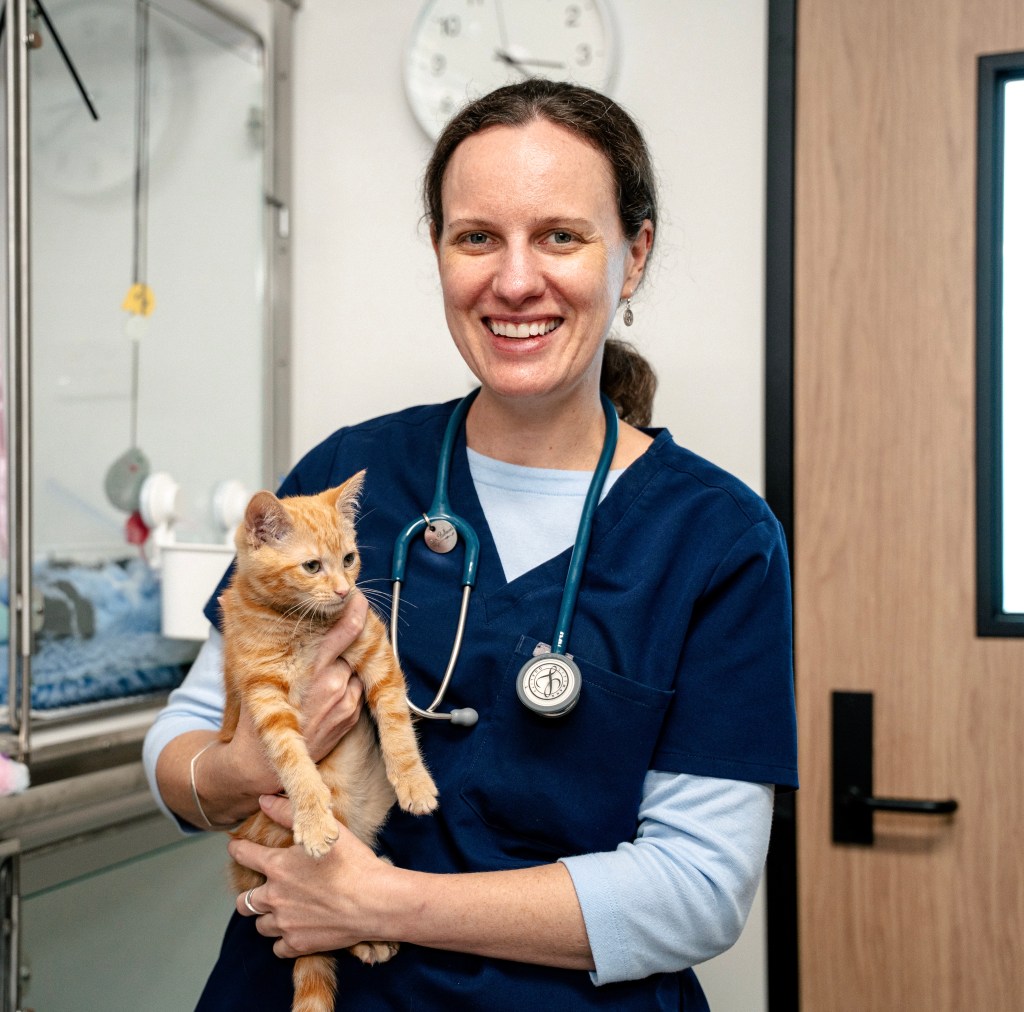
Your cat’s treatment is planned and delivered by a collaborative team, including feline medicine specialists and tertiary-trained nuclear medicine professionals for a high level of oversight and care.
Low-stress feline hospital care
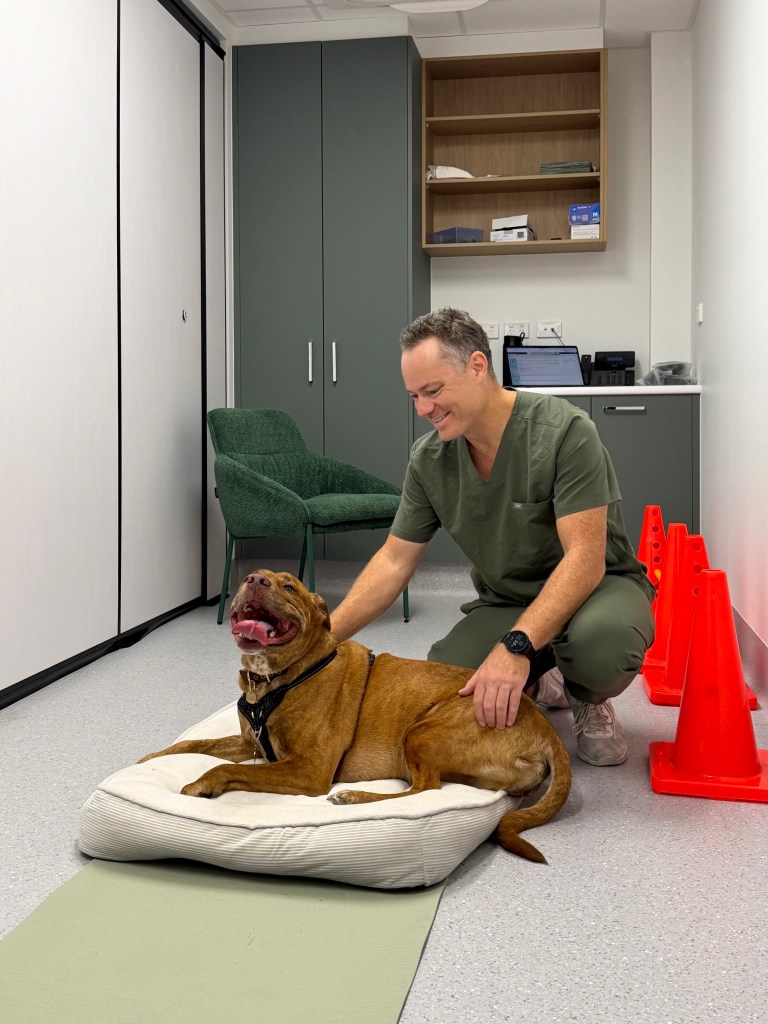
We use low-stress handling techniques, feline pheromones, cat-only equipment, and thoughtful environmental management to help reduce anxiety throughout the treatment journey.
Modern, purpose-built treatment environment
Our radioiodine ward is designed specifically for feline patients, with natural light and dedicated containment facilities to support a calm, safe hospital stay.
All Inclusive Radioiodine Treatment
Fixed Price: $4,500
Our radioiodine service is designed to provide expert assessment, personalised treatment planning, and dedicated feline care throughout the process.
Before radioiodine treatment, every cat needs an appropriate pre-treatment work-up to make sure the procedure is safe and suitable.
Minimum pre-treatment testing typically includes:
Recent haematology and biochemistry blood tests
A thyroid hormone level measured while off anti-thyroid medication and low-iodine diet
Urinalysis
Blood pressure measurement
Heart ultrasound
These tests help assess kidney function and screen for other medical conditions, which are particularly important in older cats.
Some cats with significant concurrent illness may not be suitable for radioiodine treatment, especially if they are likely to need frequent hands-on treatment during hospitalisation. This may include cats with conditions such as heart failure, uncontrolled seizures, or other serious health problems.
Can I visit my cat during hospitalisation?
After treatment, cats stay in our dedicated radioiodine ward for approximately one week while they are emitting and excreting higher levels of radiation.
For safety reasons:
Visits are not possible during hospitalisation
Handling is kept to what is necessary for welfare and monitoring
Cats need to be medically stable enough to stay in the ward without intensive ongoing treatment
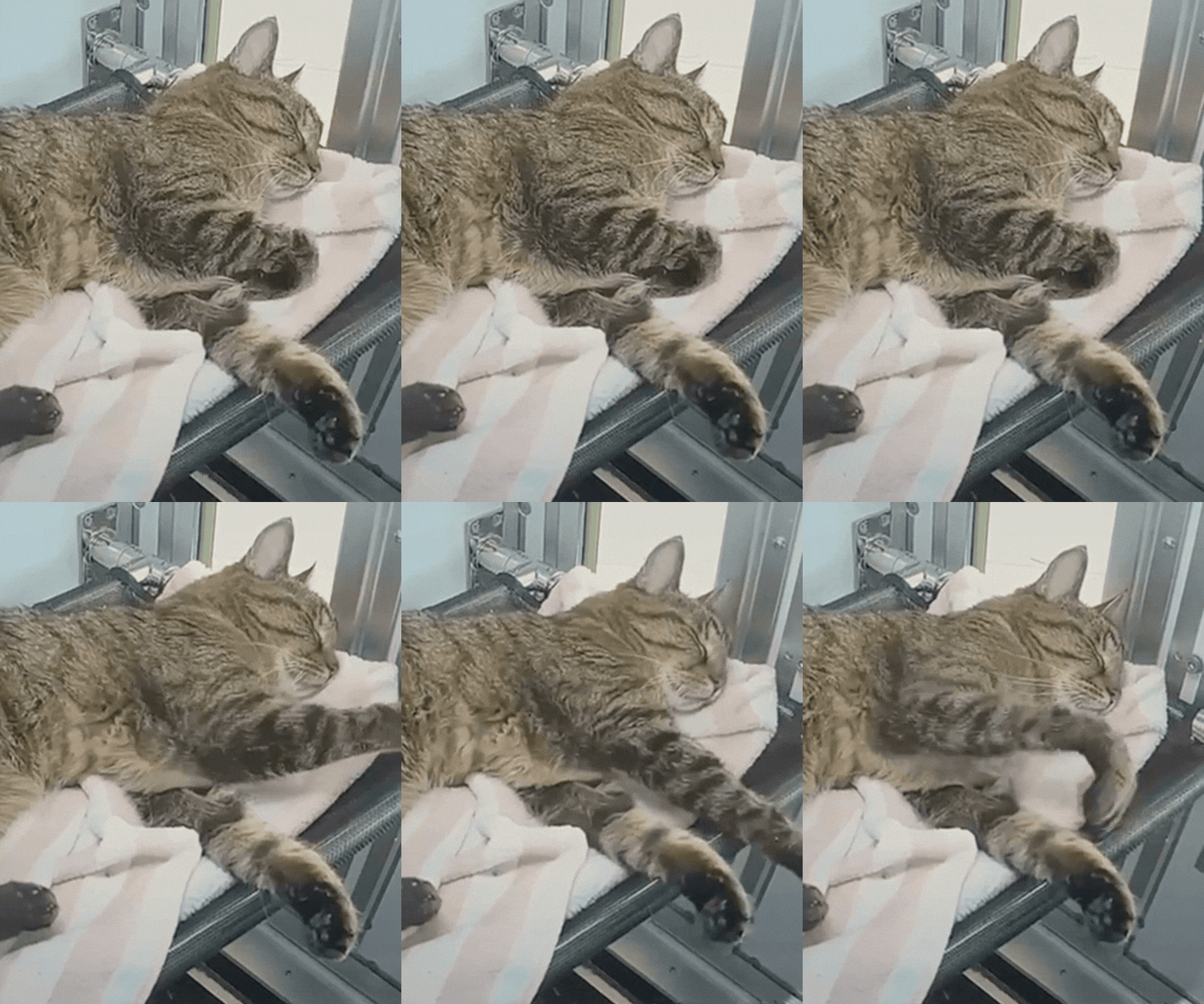
At MediPaws, cats are housed in Cat Capsula shielded containment cages and cared for by a team experienced in feline handling and welfare.
We know this temporary separation can feel difficult for owners, so we work hard to make each cat’s stay as calm and comfortable as possible.
Is radioiodine right for my cat?
If your cat has been diagnosed with hyperthyroidism, radioiodine may offer the best chance of a long-term cure with minimal ongoing treatment.
The best way to determine suitability is through a consultation and pre-treatment assessment with our team.
How does radioiodine treatment work?
Radioiodine works because iodine is naturally taken up by thyroid tissue. Once administered, the radioactive iodine concentrates in the overactive thyroid cells and destroys them, while aiming to preserve normal thyroid tissue.
At MediPaws, we use scintigraphy-assisted dose calculation to personalise treatment planning for each cat. This allows us to assess how much abnormal thyroid tissue is present and how active it is before selecting the radioiodine dose.
This individualised approach is designed to achieve effective treatment while reducing the risk of overtreatment and post-treatment hypothyroidism.
Do cats need to try medication first?
Not always. Newly diagnosed cats can often proceed directly to radioiodine treatment.
In some cases, your local veterinarian or our team may recommend a trial of anti-thyroid medication first, depending on your cat’s overall health and individual circumstances. This is considered on a case-by-case basis.