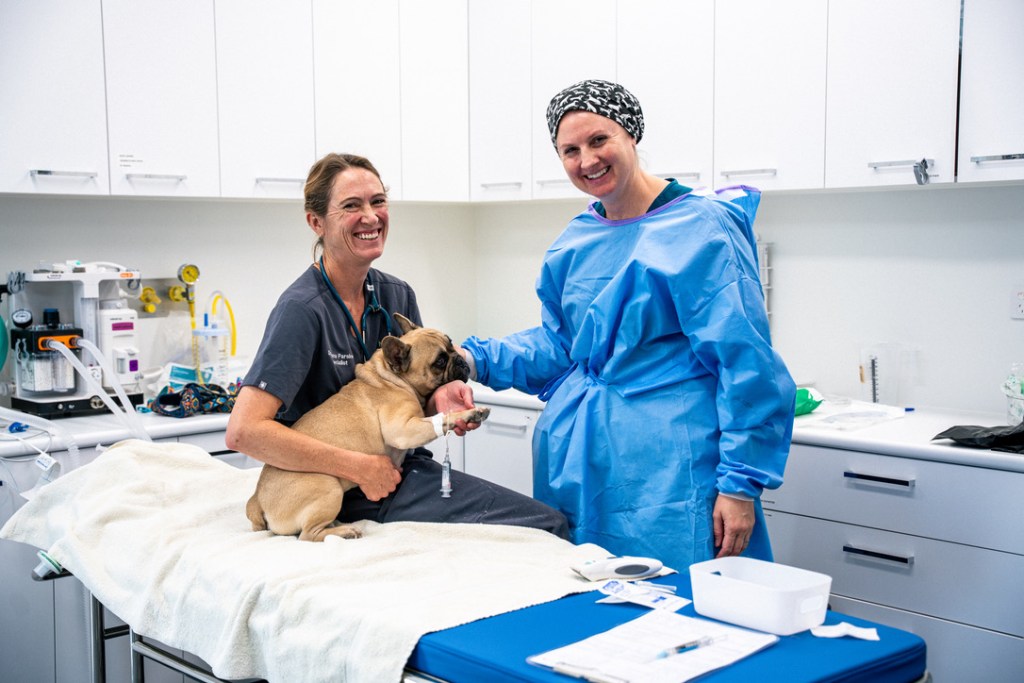
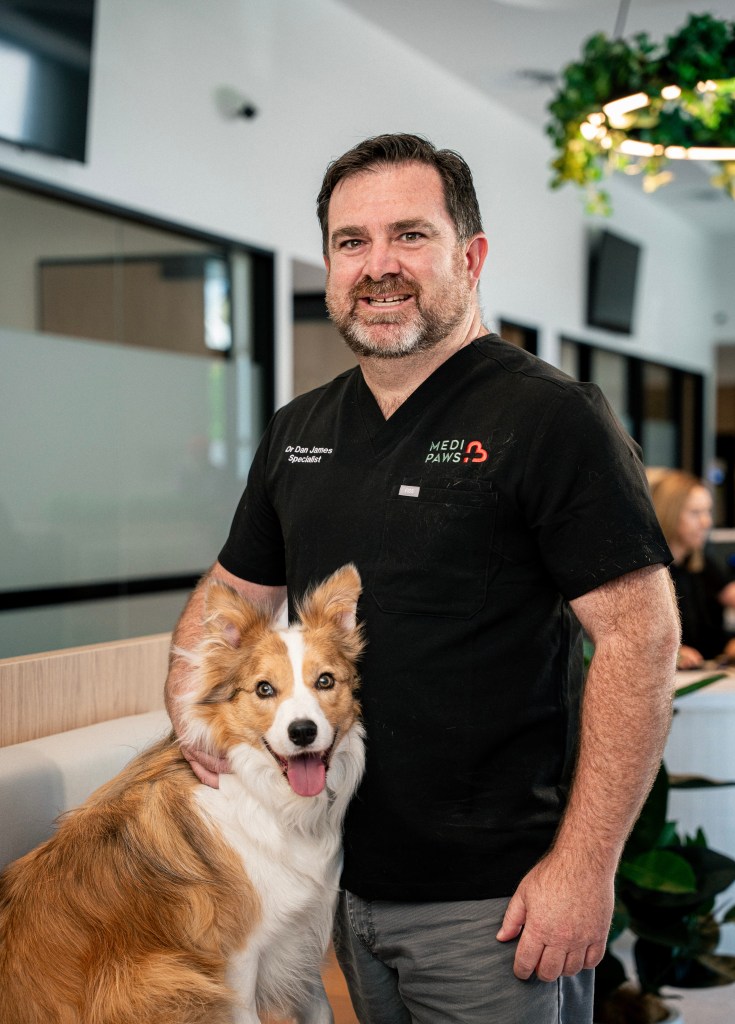
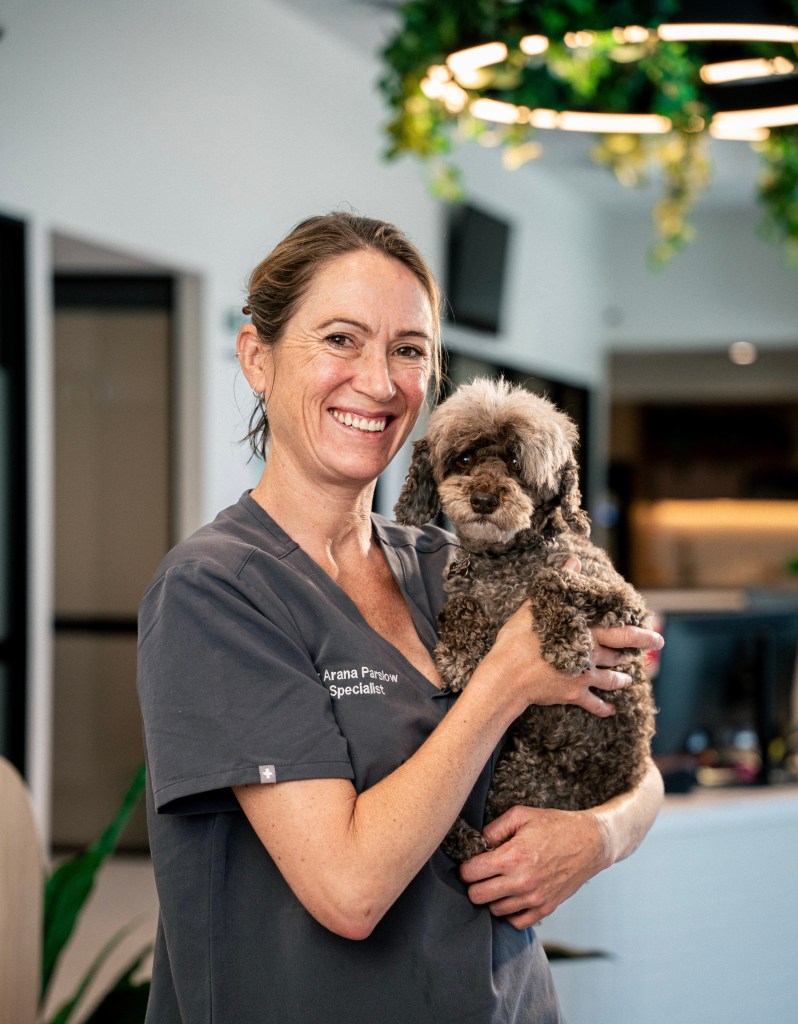
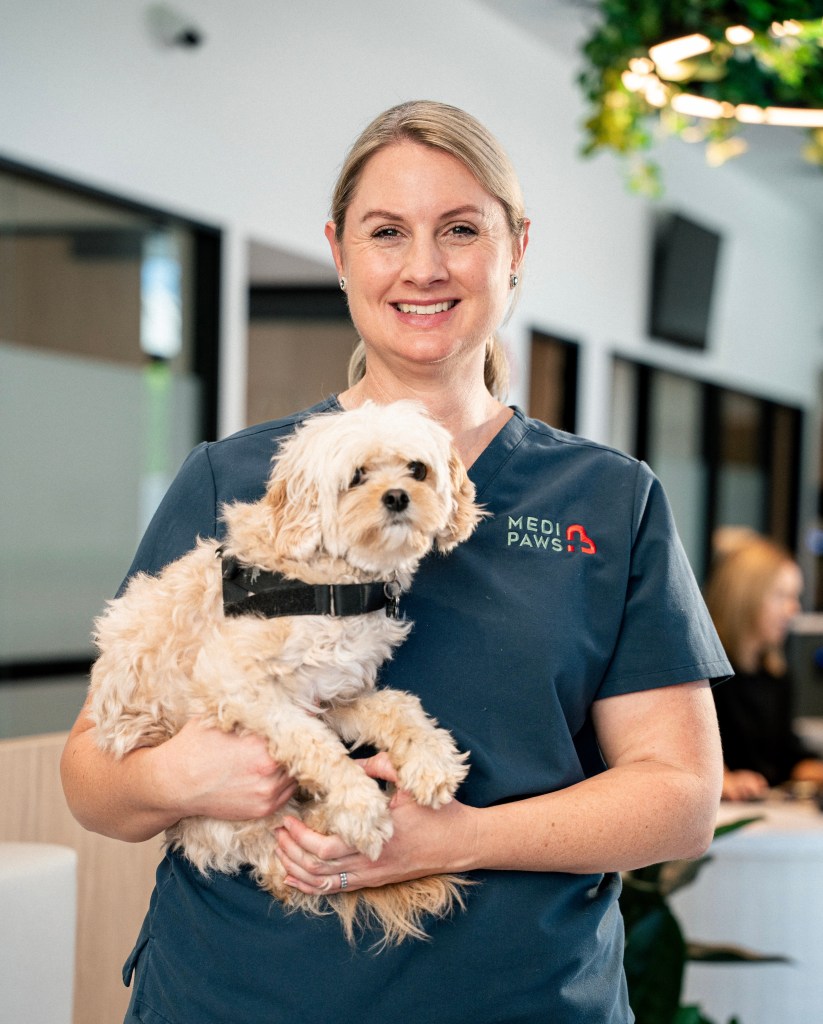
Our specialist veterinary surgeons are trained to manage complex and advanced surgical procedures on animals. From orthopaedic and soft tissue procedures to minimally invasive techniques, their advanced expertise allows us to deliver precise treatment while prioritising patient comfort and optimal outcomes.
To become board-certified specialists, our surgeons complete additional years of advanced surgical training, including a supervised residency and extensive case experience. This advanced training means your pet has access to the highest level of surgical care when it matters most.
When is surgery needed?
Surgery may be recommended to:
Treat disorders of the abdominal, gastrointestinal, thoracic, respiratory, cardiovascular, urogenital and endocrine systems
Remove tumours or cancerous growths with reconstruction of the skin
Repair fractures and address developmental orthopaedic diseases and malformations
Perform exploratory and diagnostic procedures, often in a concerted effort with other departments
Resolve internal bleeding or infection
Optimising patient outcome and safety is our primary concern. Once a diagnosis is reached, we discuss the options and tailor a treatment and recovery plan specifically to you and your pet.
From complex orthopaedic and soft tissue procedures to minimally invasive techniques, our team delivers advanced, collaborative care for pets across Sydney and beyond.
Before any surgery, your pet will undergo a thorough pre-operative assessment, including a physical examination, blood work, and other necessary diagnostics. This helps ensure your pet is healthy enough for surgery and allows the anaesthesiologist to develop a safe and tailored anaesthetic plan. Our team will discuss the procedure in detail with you, address your concerns, and obtain your informed consent.
On the day of surgery, your pet will be closely monitored by our experienced surgical team and anaesthesiologist throughout the entire procedure. After surgery, they will be placed in a comfortable recovery area and monitored for pain management and vital signs.
What is a minimally invasive surgery?
Minimally Invasive Surgery (MIS) techniques use advanced tools and small incisions to perform procedures with less surgical trauma. In some cases, MIS can offer benefits over open surgeries, including precise tissue handling and visualisation, reduced post-operative pain, and faster recovery times. Our surgeons prioritise MIS techniques whenever appropriate and will discuss them with you if they are an option.
What are the pain management options for my pet after surgery?
To minimise your pet’s discomfort and maximise safety associated with any procedure, we utilise a “multimodal” approach. This means we combine a variety of different drugs or techniques that all work in different ways. By doing this, we can minimise the amount of each drug used and maximise its effect. We can also improve patient comfort and safety by anticipating any painful event and having appropriate drugs in place before the event.
We work closely with specialists in veterinary anaesthesia to manage anxiety and pain from the moment your pets enter our hospital to the time you return to show us they are back to their old, vibrant selves. Some of our patients with chronic conditions require ongoing medications to maximise their quality of life, and we are here for you on that journey too.
Is anaesthesia safe for my pet?
Anaesthesia is very safe when carefully planned and monitored. At MediPaws, every patient undergoes a thorough pre-anaesthetic assessment, and protocols are tailored to their individual health status, age, and procedure.
During anaesthesia, your pet is continuously monitored by our experienced veterinary and nursing team using advanced equipment. This allows us to detect even subtle changes and respond immediately, helping maintain stability and minimise risk throughout the procedure.
How long will my pet need to stay in the hospital after surgery?
The length of hospitalisation will depend on the complexity of the surgery and your pet’s individual recovery progress. Often, surgery patients are kept overnight after their procedure to be monitored and receive additional pain relief. We will always get your pets back to you as soon as possible without compromising their comfort and care. Our team will provide you with a detailed post-operative care plan and discharge instructions, and we are always available for you to call and discuss any concerns you may have.
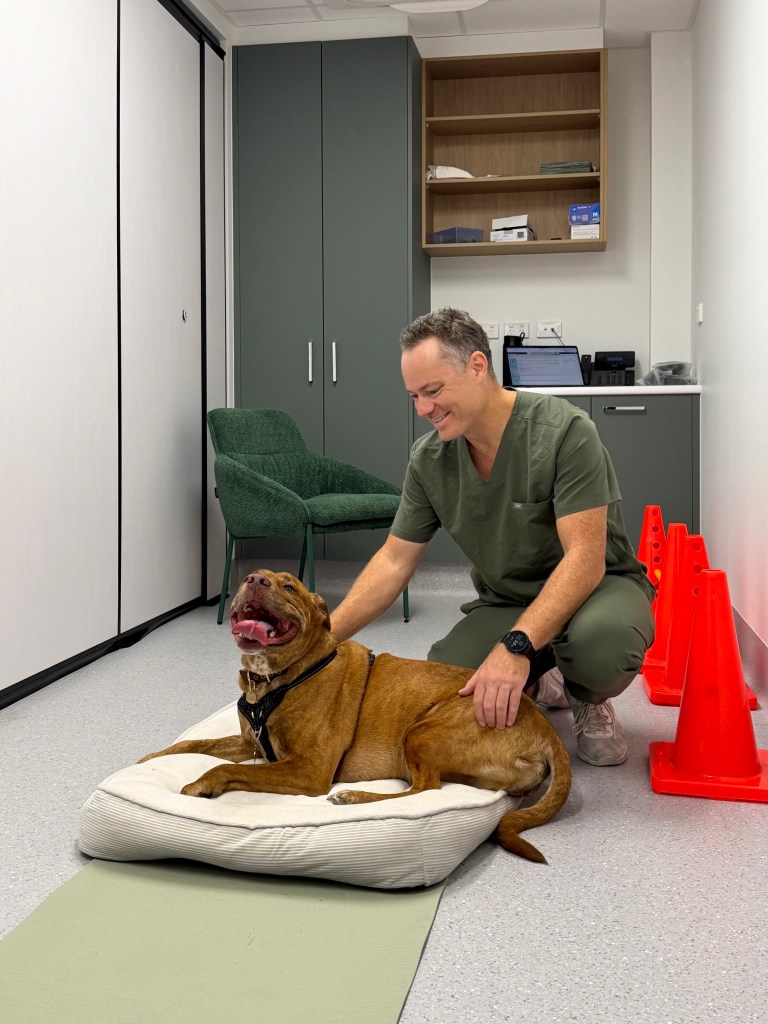
In some more complex cases, pets require longer periods of hospitalisation. In these cases, we have a dedicated visiting room in which you can spend time with your pet in privacy and comfort while they recover.
What should I expect during my pet’s recovery at home?
We know how important a smooth recovery is for both you and your pet. Before discharge, we’ll provide personalised, written instructions covering everything you need to know. Our team will also explain these details in person and answer any questions you may have. We will then schedule a follow-up appointment based on your pet’s procedure and recovery needs. In some cases, we may work with your regular vet for ongoing care and rechecks if appropriate.