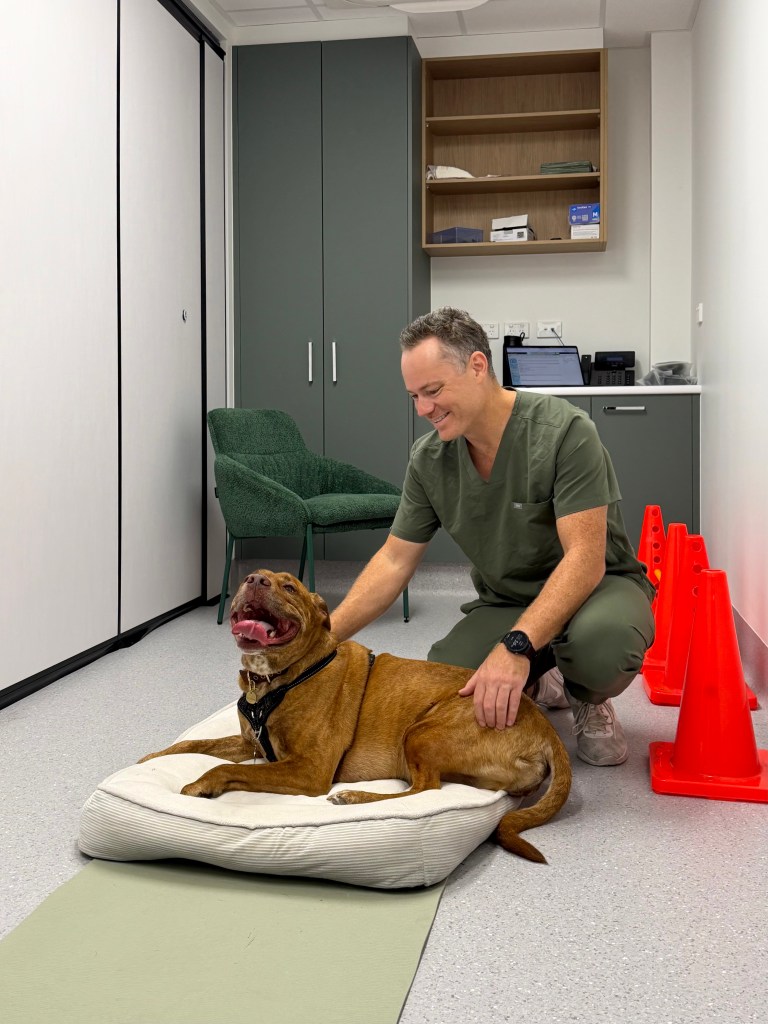
Stabilising the knee for dogs with injured cruciate ligaments.
A torn or ruptured cranial cruciate ligament leaves the knee unstable, painful and unable to bear weight properly. Tibial Plateau Leveling Osteotomy (TPLO) surgery helps the knee work without relying on the ligament. At MediPaws, our specialist surgical team leads the procedure from first assessment through to recovery.
The cranial cruciate ligament – the dog’s equivalent of the human ACL – holds the knee stable by stopping the thigh bone from sliding backwards across the top of the shin bone. When it’s injured, the femur can slide across the ligament, causing pain, lameness, and ongoing damage inside the joint.
A TPLO surgery solves this problem by changing the shape of the joint. The top of the tibia is cut and the joint surface rotated to a new angle, then held in position with a plate to give the knee stability. It is the procedure of choice for most patients with cruciate ligament rupture, and is regularly performed at MediPaws across a wide range of breeds and sizes.
TPLO can help pets by:
Restoring stability to a knee that has lost its cruciate ligament
Relieving the pain caused by abnormal movement within the joint
Returning normal weight-bearing and limb function
Slowing the progression of arthritis that follows an untreated tear
Getting your pet back to comfortable, active daily life
From complex orthopaedic and soft tissue procedures to minimally invasive techniques, our team delivers advanced, collaborative care for pets across Sydney and beyond.
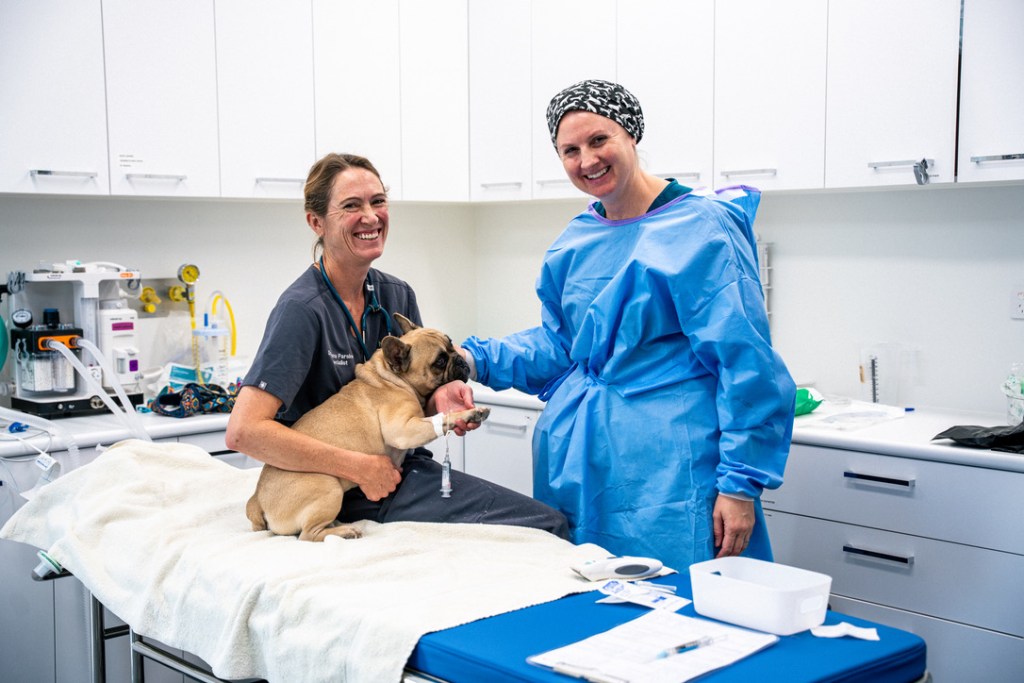
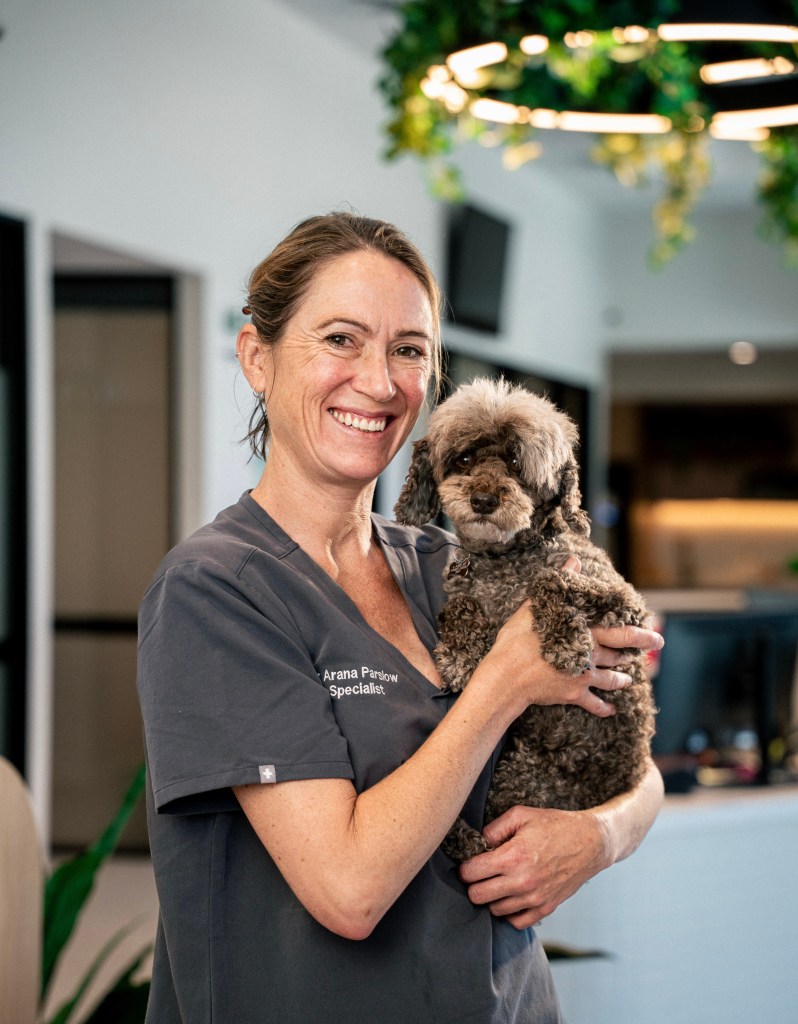
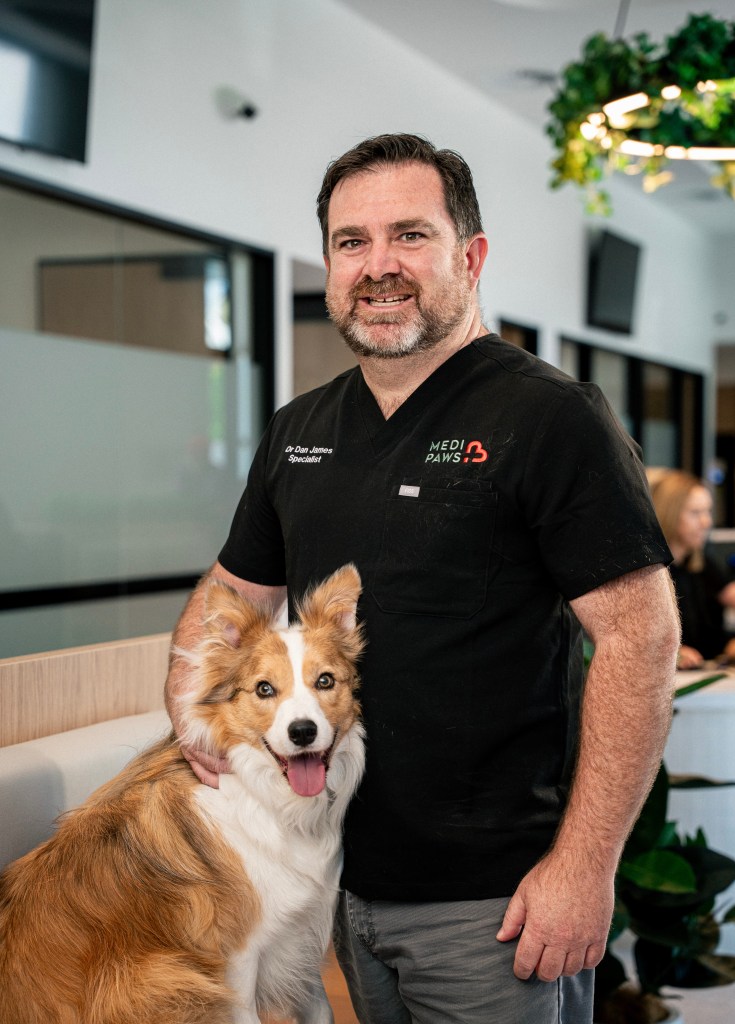
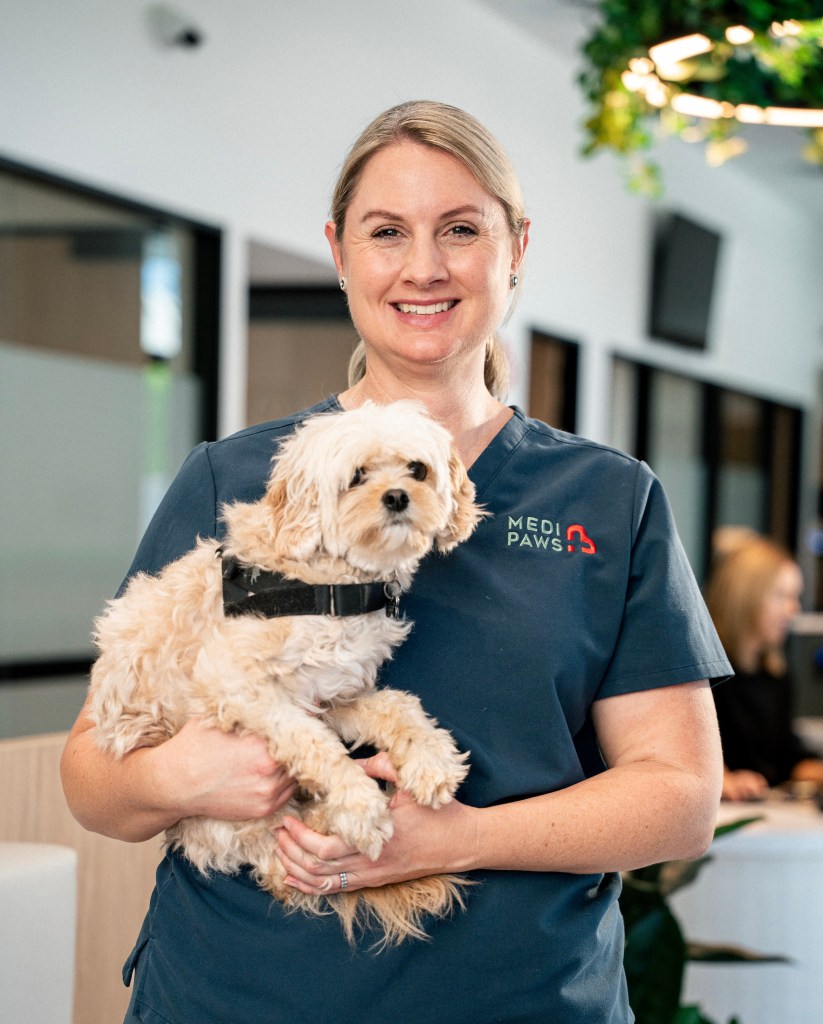
Your pet’s assessment, surgical plan and procedure are led by experienced specialist surgeon team that performs it regularly.
Specialist anaesthesia and pain management
A dedicated anaesthesia team cares for your pet throughout their stay, using advanced techniques such as ultrasound-guided nerve blocks.
Keyhole arthroscopy of the joint
We inspect the knee arthroscopically, giving a magnified view of the joint for a more accurate diagnosis and less discomfort for the patient.
24/7 hospital care
Your pet is monitored around the clock by our surgeons and nurses, with regular pain scoring, analgesia, and cryotherapy to control inflammation.
Gold Standard Cruciate Ligament Treatment Checklist:
Consultation, examination, and surgery performed by an experienced veterinary specialist surgeon
Sedation, anaesthesia, and analgesia management from a specialist in veterinary anaesthesia
Joint inspection using keyhole arthroscopy for less discomfort for the patient
24/7 post-operative care, with regular pain scoring, analgesia, and cryotherapy to control inflammation
In-house rehabilitation, with modalities such as hydrotherapy and therapeutic laser to expedite recovery
All Inclusive TPLO Package
Fixed Price: $6,200
Our TPLO package is designed to restore stability and mobility to your pet’s knee, using advanced specialist surgery techniques tailored to their injury and recovery needs.
What’s Included:
Assessment, surgical planning, and procedure performed by an experienced specialist surgeon
Specialist anaesthesia and pain management before, during and after surgery
24/7 monitoring during hospitalisation by dedicated veterinary surgeons and nurses
All medications required during hospitalisation and immediate post-operative recovery
Arthroscopic (keyhole) joint exploration for a precise diagnosis and treatment plan
Pre- and post-operative radiographs to guide and confirm the surgical result
Surgery is only half of a cruciate recovery. Our in-house rehabilitation team picks up where the surgical team leaves off, using hydrotherapy, therapeutic laser, and tailored exercise programs to rebuild strength and get your pet moving properly again.
The cranial cruciate ligament is an important stabilising ligament within the knee. When it becomes damaged or ruptures, the knee can become unstable, causing further damage, pain, lameness and inflammation.
Without stabilisation, ongoing abnormal movement within the joint causes progressive arthritis and damage to the meniscus. TPLO restores functional stability to the knee and allows most dogs to return to a comfortable and active lifestyle.
Why is the term 'cruciate disease' used?
The ACL in dogs frequently follows a course of gradual and ongoing degradation towards completely tearing, rather than the sudden traumatic event that many humans experience. There is usually some arthritis (disease) present before we even know there’s a problem in dogs.
Does my dog actually need surgery?
Not every dog with cruciate disease requires surgery to reach adequate levels of comfort and function. Occasionally dogs less than 5kg body weight with limited activity requirements can achieve reasonable outcomes without surgery. For the vast majority of patients, however, surgery is required to avoid worsening pain and lameness after rupturing their ACL.
What if the ACL is only partially torn?
Because of the angles of a dog’s knee, partially torn ACLs are expected to inevitably progress to complete rupture over time. Thankfully, TPLO can be performed before complete ACL tearing, and when this is done the residual ligament can be prevented from tearing further. Operating early to save a partially torn ACL protects other knee structures from becoming damaged when the knee becomes unstable, particularly the meniscus.
Will my dog need meniscal surgery?
The meniscus is a cartilage structure that acts as a shock absorber within the knee. It can become damaged when the knee is unstable.
Using arthroscopy we can assess the menisci magnified in HD through a keyhole incision. If a torn or damaged meniscus is identified, the damaged portion may be removed.
What is the long-term outlook after TPLO?
The long-term outlook following successful TPLO surgery is generally very good. Most dogs experience a substantial improvement in comfort and mobility and return to running, playing and participating in normal activities.
The underlying joint disease cannot be completely reversed, so ongoing weight management, appropriate exercise and attention to joint health remain important throughout your dog’s life.
What happens during TPLO surgery?
During surgery, a curved cut is made through the upper portion of the tibia. This section of bone is rotated to change the joint angle and then secured in its new position using a specialised bone plate and screws.
The damaged cruciate ligament does not need to be replaced. The knee is stabilised by changing its biomechanics.
Critically, the surgeon will also assess the menisci and other structures within the knee. If the meniscus has been damaged, the damaged portion will need to be removed.
How successful is TPLO surgery?
TPLO has a high success rate, with the vast majority of dogs achieving a substantial improvement in comfort and limb function.
Will my dog still develop arthritis?
Unfortunately, some arthritis is usually already present by the time surgery is performed and will progress to some degree, more so if the meniscus has been damaged. Nonetheless, pain is typically controlled well long-term after TPLO.
How long does recovery take?
Bone healing is typically expected over approximately 6-8 weeks, although complete rehabilitation and return to unrestricted activity can take longer.
Initially, activity must be strictly controlled. Exercise is gradually increased as healing progresses, rather than allowing your dog to return to normal activity as soon as they appear comfortable.
A typical recovery involves:
Strict rest and confinement during the early postoperative period.
Short lead walks for toileting.
Gradual increases in controlled walking.
Rehabilitation exercises as recommended.
A postoperative examination and, where appropriate, follow-up X-rays to assess bone healing.
Gradual return to unrestricted activity once adequate healing has been confirmed.
What are the possible complications?
TPLO is a major orthopaedic procedure and, although complications are uncommon, they can occur.
Potential complications include infection, implant loosening or failure, delayed or incomplete bone healing, tibial fracture, meniscal injury, persistent lameness, progression of arthritis, muscle loss and incisional complications.
Strict postoperative confinement and following the rehabilitation instructions are important in reducing the risk of complications.